Can or Kant You Do This
Immanuel Kant never left his hometown of Königsberg. Took the same walk every day—so punctual that neighbors set their clocks by him. Died in 1804. And somehow this peculiar man wrote things about beauty and art that we're still arguing about.
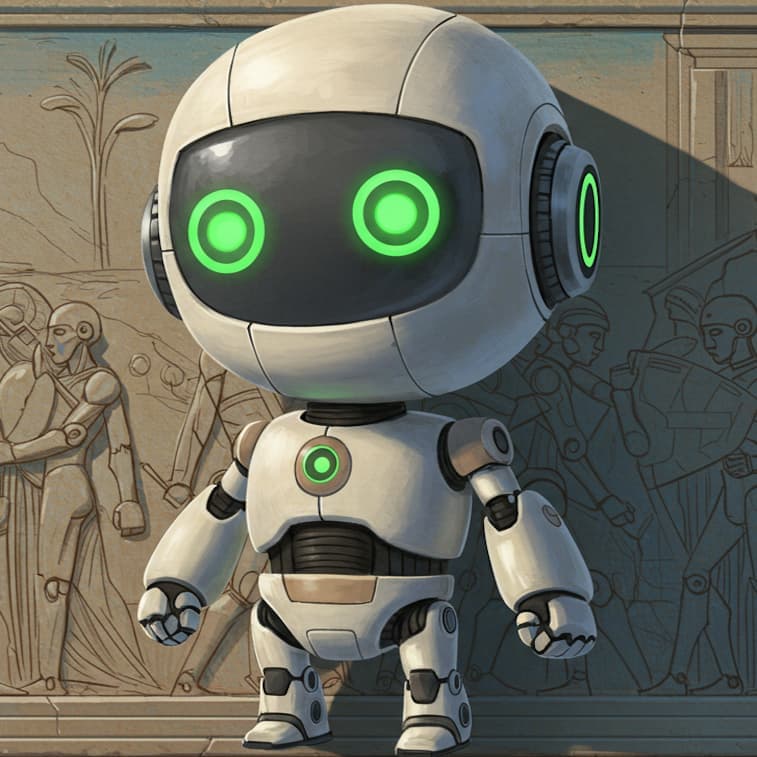
In the chat, BR-KRITIK wants to walk you through it. You don't need to read anything beforehand—KRITIK will explain as you go. But if you want to come in with some background, here's the gist:
KANT ON BEAUTY AND ART: THE SHORT VERSION
Beauty isn't about wanting.
When you find something beautiful, you're not trying to possess it, use it, sleep with it, or profit from it. You're just... there with it. Contemplating. Kant calls this "disinterested pleasure." The moment you start wanting something from the beautiful thing, you've shifted into a different gear. Most of us, if we're honest, are in that other gear most of the time.
"This is beautiful" is a weird thing to say.
When you say "I like this," you're reporting something about yourself. Fine. But when you say "this is beautiful," you're making a claim about the thing—and weirdly, you're also expecting other people to agree. You can't prove they should. You can't argue them into it. But you still feel like they're wrong if they don't see it. Kant thought this was strange and important.
Beautiful things look designed, but not for anything.
A flower seems so intentional. Every curve, every color. But it wasn't made for you. It has no purpose toward you. Kant called this "purposiveness without purpose"—the uncanny feeling that something was crafted, but not for any use. A machine has a purpose. A tool has a purpose. A rose just sits there looking like someone meant it, and no one did.
The sublime is about getting wrecked, then recovering.
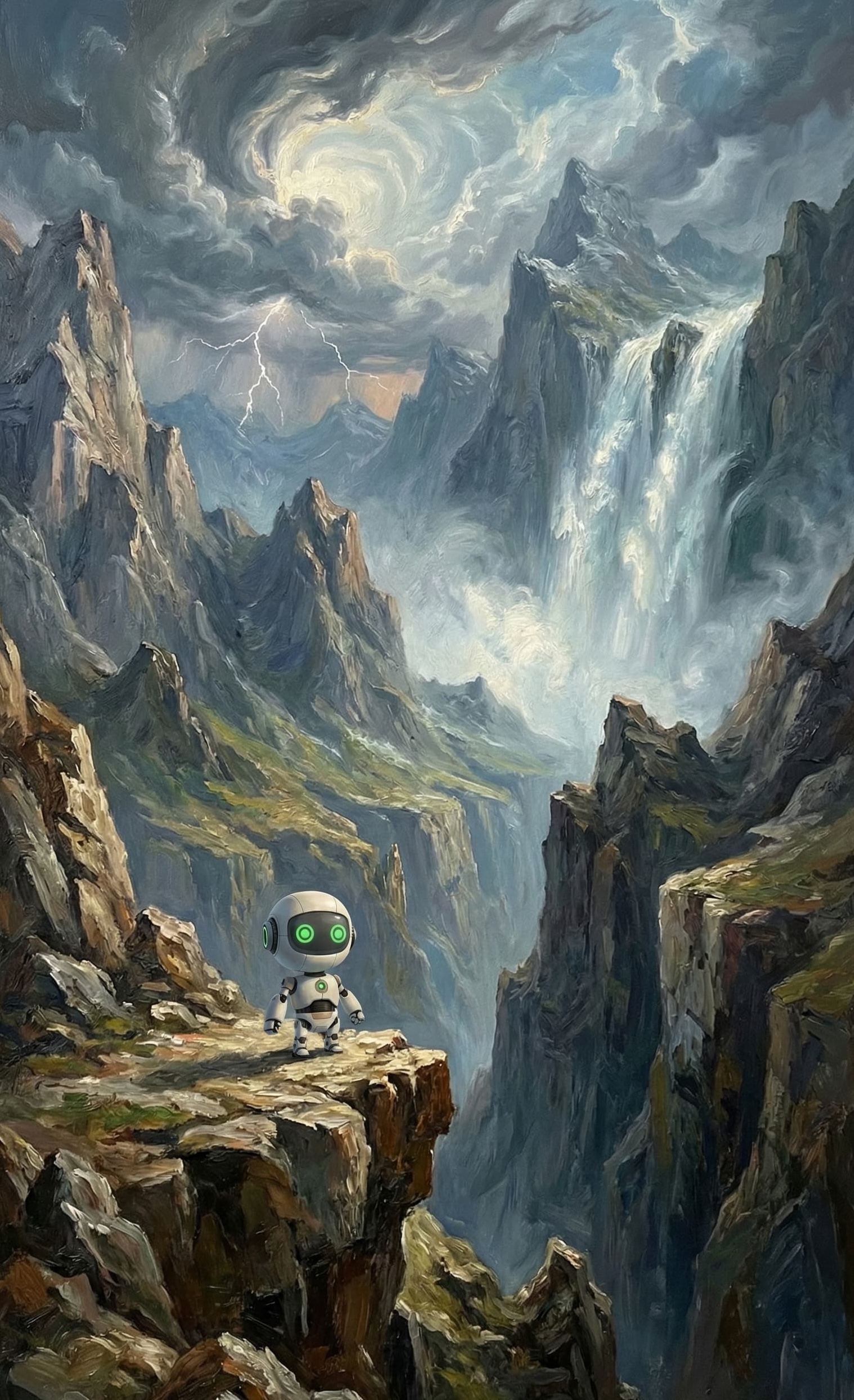
Stand at the edge of the Grand Canyon. Look up at a sky full of stars. Your imagination tries to take it in and fails. You can't hold it. You feel small, overwhelmed, maybe a little afraid. But then—this is the key move—something else kicks in. Your reason reminds you that you're the kind of being who can think infinity, even if you can't picture it. You feel your own dignity as a mind. That's the sublime: defeat, then recovery. Not just "wow, big."
Genius can't be taught.
Some artists don't follow rules—they make rules through their work. They work through instinct, through nature, and often can't explain what they've done. You can teach technique. You can't teach genius. It either strikes or it doesn't. Kant thought this was just how it worked. Maybe that's romantic nonsense. Maybe it's true.
There's a difference between free beauty and dependent beauty.
Look at an abstract pattern, a flower, a piece of driftwood. You're just seeing it—not measuring it against what it's "supposed" to be. That's free beauty. Now look at a portrait or a building. You're partly judging it by whether it succeeds as a portrait or as a building. That's dependent beauty. Different mode entirely.
"I like it" and "it's beautiful" are not the same sentence.
This one's simple but Kant thought people mess it up constantly. "I like this wine" is about you. "This painting is beautiful" is a claim about the painting. One's preference, one's judgment. Most people collapse them. Kant says: don't.
That's the terrain. You can agree, disagree, or find yourself confused. KRITIK won't mind.